The Health Benefits of Chickpeas: A Practical Guide
Beyond hummus, chickpeas are a nutritional powerhouse. Let's explore how this humble legume can support your health, from digestion to weight management, in simple, practical ways.
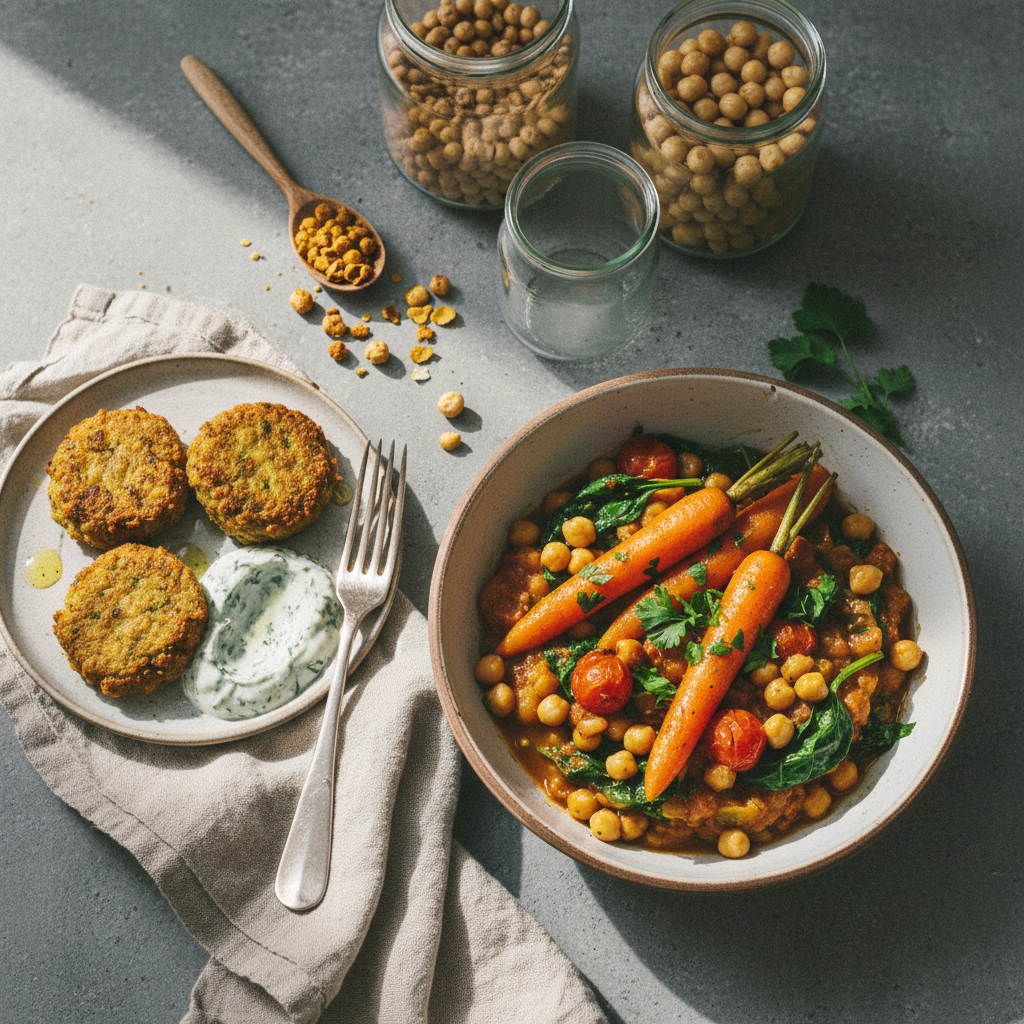
Chickpeas, also known as garbanzo beans, are a highly nutritious legume packed with plant-based protein, dietary fiber, and key minerals. This combination aids in satiety, supports healthy digestion, and helps regulate blood sugar levels. Their versatility makes them an excellent and affordable addition to any diet, contributing to overall wellness through simple, everyday meals like salads, soups, and curries.
We all know chickpeas. They are the heart of hummus, a welcome addition to a salad bar, and a quiet hero of the pantry. But this small, unassuming legume is more than just a versatile ingredient, it's a nutritional powerhouse that can play a significant role in a healthy diet.
Let's move beyond the dip and take a closer look at what makes chickpeas so beneficial, and how you can easily incorporate them into your everyday cooking for a simple, effective health boost.
What's Inside a Chickpea? A Nutritional Snapshot
Chickpeas, or garbanzo beans, deliver an impressive nutritional profile. They offer a balanced mix of macronutrients (protein, carbs, and fat) along with a wealth of vitamins and minerals. A one-cup serving of cooked chickpeas provides a substantial amount of your daily needs for several key nutrients.
Here’s a breakdown of what makes them stand out:
* **Plant-Based Protein:** Essential for building and repairing tissues, protein is also key to feeling full and satisfied after a meal. Chickpeas are one of the best plant-based sources of this crucial nutrient. * **Dietary Fiber:** Chickpeas are loaded with fiber, particularly a soluble fiber called raffinose. Fiber is critical for digestive health, blood sugar regulation, and maintaining healthy cholesterol levels. * **Folate:** This B-vitamin is vital for cell growth and metabolism. It is especially important for forming red blood cells and for healthy cell growth and function. * **Iron:** A key component of hemoglobin, the substance in red blood cells that carries oxygen from your lungs to the rest of your body. Plant-based iron, like that found in chickpeas, is best absorbed when eaten with a source of vitamin C (like lemon juice). * **Manganese and Copper:** These are essential trace minerals that play a role in bone formation, immune response, and energy production. Chickpeas are an excellent source of both.
How Do Chickpeas Support Digestion?
The high fiber content in chickpeas is their biggest gift to your digestive system. Most of the fiber in chickpeas is soluble, meaning it dissolves in water to form a gel-like substance in your gut. This process has two major benefits.
First, it helps promote regularity by softening and adding bulk to stool, making it easier to pass. Second, this fiber acts as a prebiotic, which means it feeds the beneficial bacteria in your gut. A healthy gut microbiome is linked to everything from a stronger immune system to improved mood. By nourishing these good bacteria, you are supporting a cornerstone of your overall health.
Can Chickpeas Help with Weight Management?
If you're looking for foods that help you feel full and satisfied, chickpeas are a top contender. This is thanks to the powerful combination of protein and fiber.
Protein and fiber work together to slow down digestion. This means that after a meal containing chickpeas, your stomach empties more slowly, helping you feel full for longer. This feeling of satiety can help prevent overeating and reduce unnecessary snacking between meals, which is a practical, sustainable way to manage weight without feeling deprived. Instead of focusing on restriction, you are adding a food that naturally helps regulate your appetite.
Canned vs. Dried Chickpeas: Which Should You Choose?
This is a common question in the kitchen, and the good news is you can't really go wrong. Both canned and dried chickpeas are excellent nutritional choices, but they have different pros and cons related to convenience, cost, and texture.
**Canned Chickpeas:** * **Pros:** Incredibly convenient. They are pre-cooked and ready to use after a quick rinse. Perfect for quick weeknight meals, salads, and spontaneous hummus cravings. * **Cons:** Higher in sodium (though rinsing removes about 40%). Sometimes have a softer, mushier texture. Can cost more per serving than dried.
**Dried Chickpeas:** * **Pros:** Very cost-effective. Allow for complete control over the final texture and salt content. Many cooks find they have a superior, nuttier flavor. * **Cons:** Require planning. They must be soaked for several hours (or overnight) and then cooked for one to two hours before they can be used.
From a health perspective, the two are nearly identical, especially if you rinse canned chickpeas well. The best choice simply depends on your priorities. If you value time and convenience, canned is the way to go. If you prioritize budget and texture control, cooking from dried is worth the effort.
Easy Ways to Add Chickpeas to Your Diet
Ready to get more of these health benefits? Here are a few simple ideas to get you started:
1. **Roast them.** Toss rinsed chickpeas with a bit of olive oil and your favorite spices (like smoked paprika, cumin, and garlic powder). Roast at 400°F (200°C) until crispy for a fantastic, high-fiber snack or salad topper. 2. **Add to salads and grain bowls.** A scoop of chickpeas adds protein and texture, turning a light side into a satisfying main course. 3. **Blend them.** Hummus is the classic, but you can also blend chickpeas into creamy soups or sauces. They add body and a dose of nutrients without much competing flavor. 4. **Mash them.** Mash chickpeas with a fork, add some mayonnaise or yogurt, celery, and onion to create a delicious plant-based sandwich filling, similar to a tuna or chicken salad. 5. **Toss into soups and stews.** Add a can of chickpeas to your favorite soup or curry during the last 15 minutes of cooking for an easy protein and fiber boost.
Inspired by reporting from Kitchen Tutor.
Frequently asked
- Are chickpeas a complete protein?
- Chickpeas are a wonderful source of plant-based protein, but they are not considered a 'complete' protein on their own, as they are low in the amino acid methionine. However, this is easily solved by pairing them with whole grains like rice, quinoa, or whole-wheat bread throughout your day. Your body can combine these amino acids, so the foods do not even need to be eaten in the same meal.
- How do I reduce the gas and bloating from eating chickpeas?
- The fiber and certain sugars in chickpeas can cause gas. To minimize this, rinse canned chickpeas thoroughly to wash away gas-producing compounds. If using dried chickpeas, soak them overnight and discard the soaking water. Cooking them until they are very tender also makes them easier to digest. Gradually increasing your fiber intake will also help your digestive system adjust over time, reducing discomfort.
- Is the liquid from canned chickpeas (aquafaba) useful?
- Yes, aquafaba is incredibly useful! This starchy liquid can be whipped just like egg whites to make vegan meringues, mousses, and mayonnaise. It's a fantastic, no-waste binder and emulsifier in plant-based cooking. Simply drain a can of chickpeas and save the liquid in the fridge for a few days. The culinary possibilities are surprising and delicious, turning a waste product into a valuable ingredient.
- Are roasted chickpeas a healthy snack?
- Roasted chickpeas are an excellent healthy snack. They provide a satisfying crunch along with protein and fiber, which helps keep you full between meals. The key is to control the amount of oil and salt you add. A light toss in olive oil with your favorite spices and baking until crispy is a far healthier alternative to potato chips or other processed snacks. They are portable, delicious, and nutrient-dense.
- Can I eat chickpeas raw?
- It is not recommended to eat chickpeas raw. Uncooked, they are very hard to digest and contain compounds like lectins, which can cause significant digestive upset. Canned chickpeas, however, are already cooked and are perfectly safe to eat straight from the can after a good rinse. Dried chickpeas must always be fully cooked before consumption to ensure they are both safe and palatable.