Mastering Gochujang: Beyond the Glaze
A deep-dive guide into Korea's fermented red pepper paste — what it is, how it's made, and how to use it in stews, marinades, dressings, and more.
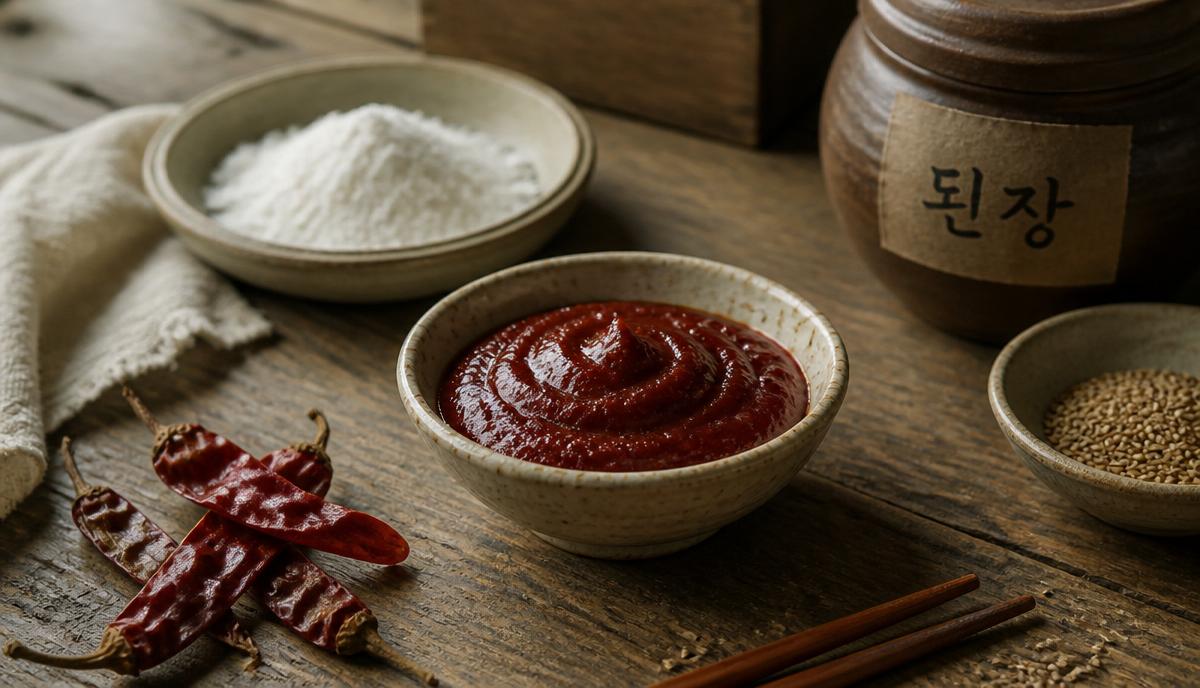
Gochujang is a fermented Korean condiment made from red chili powder, glutinous rice, fermented soy, and salt. Its flavor balances umami, sweetness, and a slow-building heat. A little goes a long way in soups, marinades, dressings, and stir-fries.
Gochujang is Korea's most beloved fermented condiment. Made from gochugaru (Korean red chili powder), glutinous rice, fermented soybean paste, and salt, it is traditionally aged in earthenware pots called onggi. Months of fermentation transform the paste into something far greater than the sum of its parts: a deep, complex balance of sweet, savory, and spicy.
What makes gochujang taste the way it does
The magic of gochujang lies in fermentation. Starches in the glutinous rice break down into sugars, giving the paste a subtle sweetness without added sugar. The soybeans contribute umami, and the chilies provide heat that builds slowly rather than striking hard. Salt moderates everything and preserves the paste for months - or even years.
Look for gochujang with a short, recognizable ingredient list: red chili powder, glutinous rice, fermented soybean powder, salt, and perhaps a touch of barley malt or sweetener. Avoid brands that list corn syrup or artificial color first.
How to use gochujang beyond the glaze
Gochujang shines anywhere you want heat with backbone. Start with these simple ideas:
- **Soups and stews:** Stir a spoonful into doenjang jjigae, budae jjigae, or a simple chicken stew. It adds color, depth, and warmth. - **Marinades:** Whisk gochujang with soy sauce, rice vinegar, garlic, ginger, and a little oil. It works beautifully on chicken thighs, pork shoulder, or tofu. - **Dressings:** Thin it with a splash of rice vinegar and sesame oil for a spicy salad dressing over cucumbers or cold noodles. - **Fried rice and noodles:** A small spoon mixed into the pan creates a glossy, spicy coating. - **Dipping sauces:** Combine with mayonnaise or yogurt for a quick condiment for roasted vegetables or grilled meat.
A quick heat cheat sheet
Gochujang heat varies by brand. If a recipe calls for a tablespoon, start with half, taste, and add more. The heat is mellow and cumulative, so it is easier to add than to subtract.
Storing your gochujang
Keep the paste in the refrigerator after opening. It will last months - sometimes a year - thanks to its salt and fermentation. Press a piece of parchment paper against the surface to keep it from drying out.
What to cook first
If you are new to gochujang, try a simple glaze for roasted chicken or a spoonful stirred into a pot of stew. Once you taste the way it deepens a sauce, you will start reaching for it the way you reach for salt.
Frequently asked
- What is gochujang?
- Gochujang is a fermented Korean condiment made from red chili powder, glutinous rice, fermented soybeans, and salt. It is thick, deep red, and has a balance of sweet, savory, and spicy flavors.
- How spicy is gochujang?
- It ranges from mild to moderately hot depending on the brand. The heat is slow-building and rounded, not sharp like fresh chilies.
- Can I substitute gochujang?
- A mix of miso and Sriracha or sambal oelek can approximate the flavor, but it will not have the same fermented depth. Gochujang is worth seeking out.
- How do I store gochujang?
- Refrigerate after opening, with the surface covered, and it will keep for many months.
- Is gochujang gluten-free?
- Traditional gochujang is made with glutinous rice and soy, which is generally gluten-free, but some brands add barley malt or wheat. Check the label if you are sensitive.