Maximize Flavor, Not Calories: A Healthier Cooking Guide
Learn simple, effective techniques to make your food healthier without it tasting bland. We'll show you how to boost flavor using smart swaps and classic methods.
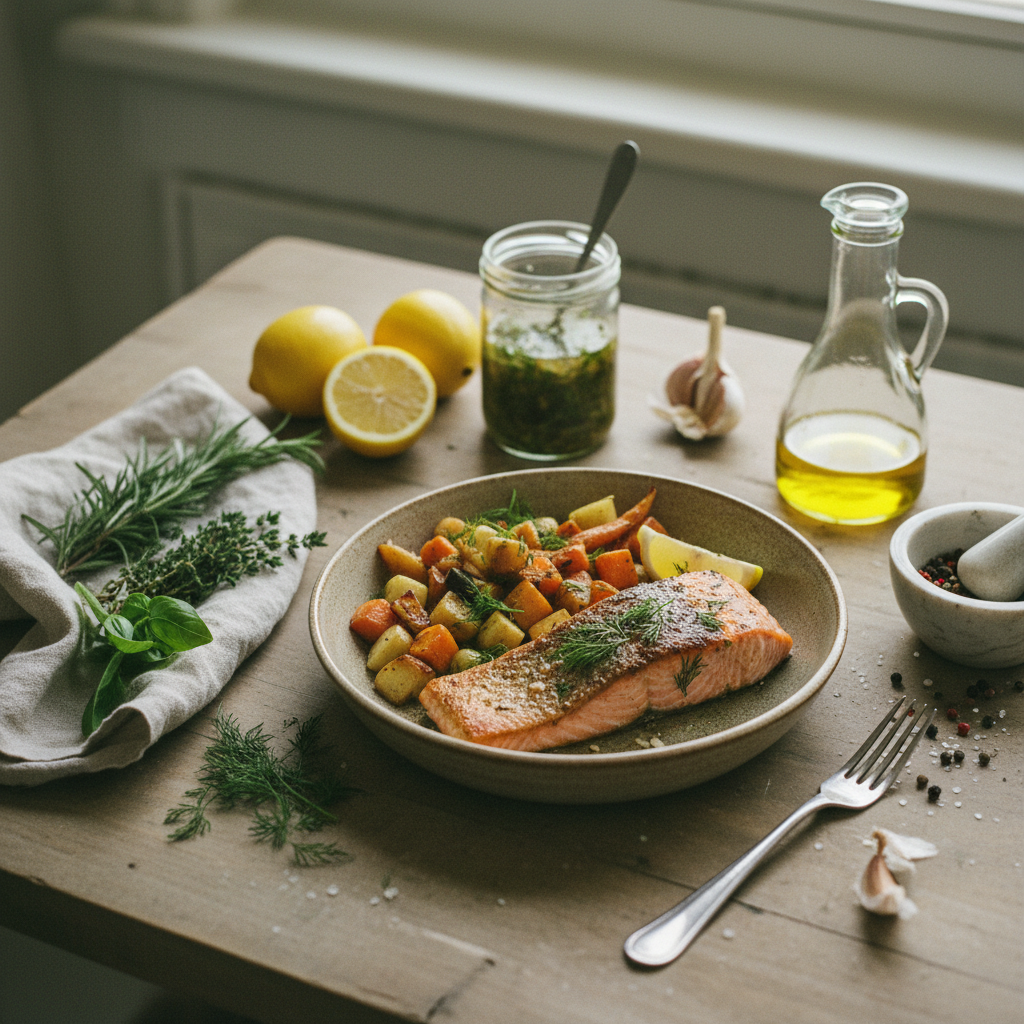
Cooking healthier without losing flavor involves using high-impact ingredients, mastering cooking techniques that build complexity, and reducing unhealthy fats and sugars gradually. Instead of just removing fat or salt, focus on adding flavor through herbs, spices, citrus, and umami-rich components. Techniques like roasting, searing, and toasting ingredients develop deep, satisfying tastes that don't rely solely on added fats or salt for appeal.
It's one of the biggest myths in the kitchen: healthy cooking means bland, boring food. We picture sad, steamed vegetables and unseasoned chicken breast. But what if we told you that cooking for health is actually an invitation to become a more creative, intuitive, and skillful cook? The truth is, incredible flavor doesn't have to come from heaps of butter, sugar, or salt. It comes from technique, understanding ingredients, and knowing a few simple secrets. This guide isn't about restriction. It's about adding more flavor, more satisfaction, and more joy back into your meals. Let's get cooking.
What Do We Mean by "Healthy Cooking"?
First, let's clear the air. For us, "healthy cooking" isn't a specific diet or a rigid set of rules. It’s a flexible approach focused on a few core principles. Healthy cooking is about prioritizing whole foods, reducing your reliance on heavily processed ingredients, and being mindful of excess added fats, sugars, and sodium. It's about cooking more at home, where you control what goes into your food. The goal is to create meals that are both nourishing and deeply satisfying, proving that you never have to choose between food that’s good for you and food that tastes great.
Build Flavor from the Ground Up
So much of what we perceive as delicious in restaurant or processed food comes from high levels of fat and salt. At home, we can build a more complex and interesting flavor profile using a different set of tools: aromatics.
Aromatics are vegetables and herbs that, when heated, release incredible aromas and lay a foundation of flavor for your entire dish. Think of them as the supporting cast that makes the star ingredient shine.
* **The Power Trio:** Many world cuisines start with a simple trio of aromatics sautéed in a little oil. In France, it's mirepoix (onion, carrot, celery). In Italy, it's soffritto (which often adds garlic). In Louisiana Cajun cooking, it's the "holy trinity" (onion, celery, bell pepper). Gently sweating these in a pan before adding other ingredients builds a base of savory sweetness that you can't get any other way. * **Bloom Your Spices:** Have you ever tossed spices into a dish at the very end and found their flavor a little raw or dusty? Try blooming them instead. This just means adding your dry spices to the pan along with your sautéing aromatics and a little fat. The gentle heat toasts the spices, waking up their fat-soluble compounds and deepening their flavor, making your whole dish more fragrant and complex. * **High-Impact Add-ins:** Some ingredients punch way above their weight in the flavor department. Keep these on hand to instantly boost any meal: * Fresh garlic and ginger * Fresh herbs like parsley, cilantro, and basil * Citrus zest (lemon, lime, orange) * Green onions or chives * Spices like smoked paprika, cumin, and chili powder
Master Techniques That Create Flavor
How you cook is just as important as what you cook. By choosing the right technique, you can create massive amounts of flavor with very little added fat or calories. It all comes down to encouraging browning.
That wonderful golden-brown color you get on seared meat or roasted vegetables is the result of something called the Maillard reaction. It's a complex chemical reaction between amino acids and sugars that creates hundreds of new, delicious flavor compounds. Your mission, should you choose to accept it, is to create more browning.
### Comparison: Roasting vs. Steaming Let's take broccoli as an example. If you steam it, you get perfectly cooked, bright green broccoli. It tastes... like broccoli. It's clean and healthy, but not exactly exciting.
Now, take that same head of broccoli, toss it with a teaspoon of olive oil, salt, and pepper, and roast it in a hot oven (400-425°F). The edges will char slightly, the stems will become tender and sweet, and the florets will develop a nutty, deeply savory flavor. That's the Maillard reaction at work. You've transformed the vegetable from a simple side into the star of the show. This works for nearly all vegetables: cauliflower, carrots, Brussels sprouts, sweet potatoes, and onions all become magnificent when roasted.
To get the best browning: 1. **Get it Dry:** Pat your meat or vegetables dry before they go into the pan or oven. Moisture creates steam, which is the enemy of browning. 2. **Don't Crowd the Pan:** Give your ingredients some space. If the pan is too full, they will steam instead of sear. Cook in batches if you need to. 3. **Use Enough Heat:** Don't be afraid to get your pan or oven properly hot before you start cooking.
Make Smart Swaps and Reductions
You don't have to eliminate fat, sugar, and salt completely. In fact, you shouldn't! They are all crucial for flavor and function. The key is to be smarter about how you use them.
* **For Fat:** Instead of pouring cooking oil into a pan, use a paper towel to wipe a very thin film of oil across the surface. You'll be shocked at how little you need. For creamy textures in sauces or dressings, try using Greek yogurt, pureed avocado, or a silken tofu base instead of pure mayonnaise or heavy cream. Save your best extra-virgin olive oil for drizzling on a dish right before serving. This way, you get all the flavor from just a small amount.
* **For Sugar:** Our palates are accustomed to very high levels of sweetness. You can start to retrain them by gradually reducing the sugar in your baking recipes—often, you can cut it by 25% without anyone noticing. You can also lean on ingredients with natural sweetness. Spices like cinnamon, cardamom, and vanilla can make something taste sweeter than it is. Roasted vegetables, like carrots and sweet potatoes, also bring a deep, caramelized sweetness to dishes.
Embrace Acidity and Umami: The Flavor Finishers
If you've seasoned your food, but it still tastes like it's missing *something*, it probably needs one of two things: acidity or umami.
* **Acidity:** A splash of acid is like a final spotlight on your dish. It brightens, balances, and cuts through richness, waking all the other flavors up. It's the reason a squeeze of lime over a taco or a swirl of vinegar in a soup is so transformative. At the end of cooking, taste your dish. If it tastes flat or heavy, add a tiny splash of lemon juice, lime juice, or a good quality vinegar. You'll be amazed at the difference.
* **Umami:** Often called the fifth taste, umami is a savory, brothy, mouth-filling sensation. It adds depth and a feeling of satisfaction to food. Adding umami-rich ingredients allows you to use less salt while still achieving a profoundly savory flavor.
1. Mushrooms (especially cooked or dried) 2. Tomato paste (a true powerhouse) 3. Soy sauce or tamari 4. Miso paste 5. Aged cheeses like Parmesan (use a little for big impact)
Cooking healthier is a journey, not a destination. By focusing on adding flavor with these techniques, you'll find yourself creating delicious, satisfying meals that you can feel great about eating.
Inspired by reporting from Kitchen Tutor.
Frequently asked
- If I reduce salt, won't my food be bland?
- Not necessarily. You can compensate for less salt by boosting other flavor dimensions. Use fresh herbs, spices, and especially acidity from lemon juice or vinegar to brighten the taste. Umami-rich ingredients like mushrooms or tomato paste also add a savory depth that makes food satisfying without relying solely on salt. The trick is to add complexity where you previously only had saltiness.
- What's the best healthy cooking oil to use?
- There isn't one single 'best' oil; it depends on the task. For high-heat cooking like searing, use an oil with a high smoke point, like avocado oil. For finishing a dish or making dressings, a flavorful extra-virgin olive oil is excellent for its taste and health benefits. The key is to use the right oil for the job and to remember that it's a source of flavor, not just a cooking medium.
- How can I make my vegetables taste less boring?
- Stop boiling or steaming them and start roasting! Roasting vegetables at a high temperature caramelizes their natural sugars and creates incredible flavor through the Maillard reaction. A simple toss with a little olive oil, salt, pepper, and garlic powder before roasting can transform broccoli, carrots, or Brussels sprouts into a dish you'll actually crave. Don't be afraid to get some good color on them.
- Is it possible to bake healthier without everything being dense and dry?
- Yes, with smart substitutions. You can often replace up to half the butter or oil with unsweetened applesauce, mashed banana, or Greek yogurt to reduce fat while adding moisture. Similarly, you can often reduce the sugar by 25-30% in many recipes. Adding spices like cinnamon and nutmeg can also enhance the perception of sweetness, making the reduction less noticeable.
- What's the easiest way to add flavor to a simple protein like chicken breast?
- A quick marinade or a spice rub is your best friend. Even 15-20 minutes in a simple mix of olive oil, lemon juice, garlic, and herbs can infuse chicken with flavor. For an even faster method, pat the chicken dry and generously season it with a dry rub blend of paprika, garlic powder, onion powder, salt, and pepper before searing or baking. It creates a flavorful crust instantly.