The Best Protein Sources for Everyday Home Cooking
From chicken and eggs to beans and tofu, this guide breaks down the most versatile, affordable, and delicious protein sources for your home kitchen.
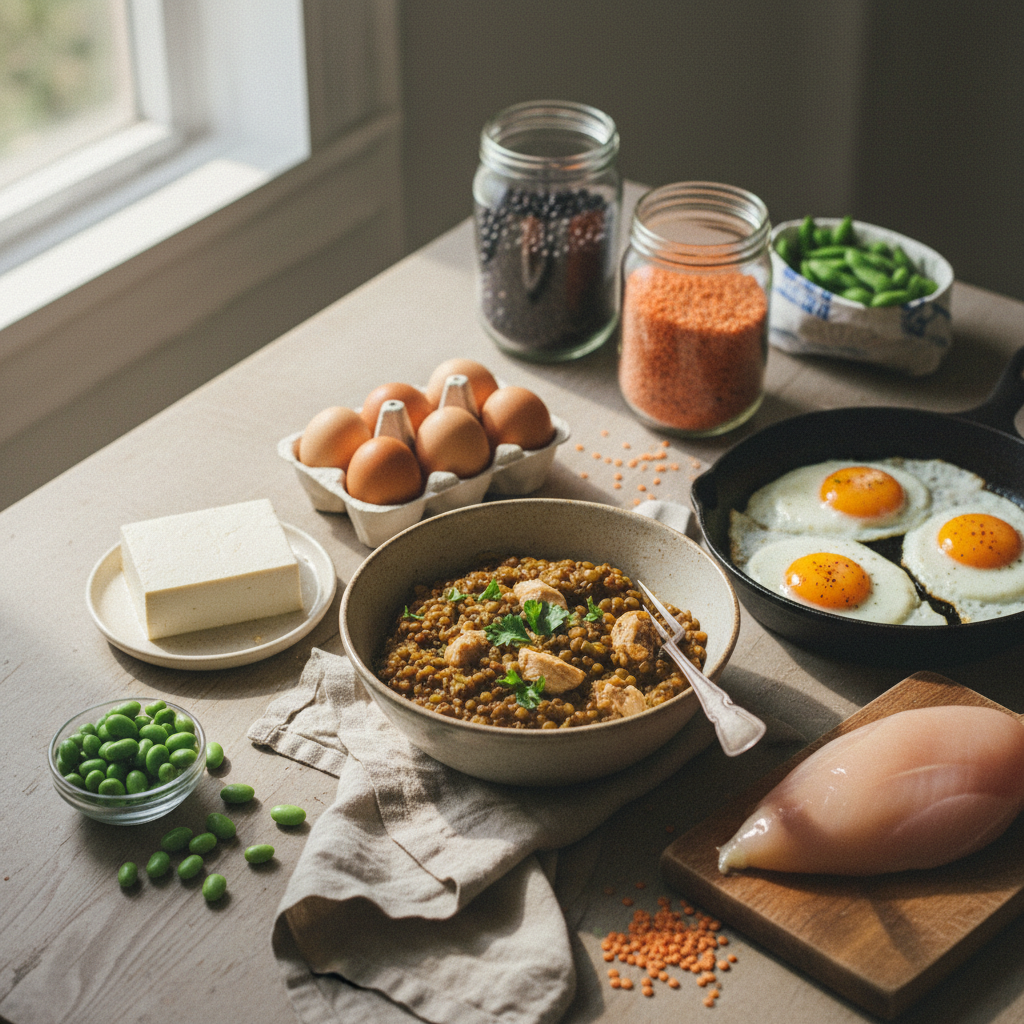
The best protein sources for home cooks are versatile, affordable, and easy to prepare. This includes chicken, eggs, ground meat, canned fish, lentils, beans, and tofu. Choosing the right one depends on your budget, dietary needs, and the specific dish you're making. This guide helps you stock your kitchen with proteins that make meal planning simple and delicious, whether you're a meat-eater or plant-based.
That daily question- "What's for dinner?"- often comes down to another, more fundamental question: "What protein do we have?" Protein is the satisfying heart of most main courses. It's what makes a meal feel complete and keeps you full longer. But navigating the options, from the butcher counter to the canned goods aisle, can be overwhelming.
This guide is your practical map to the best proteins for home cooking. We're not just talking about what's healthiest or what a bodybuilder might eat. We're talking about what's practical, affordable, versatile, and delicious for the reality of a busy home kitchen.
What Makes a Protein 'Best' for Home Cooks?
Before we list ingredients, let's define our terms. For a protein to be a home-cooking all-star, it should check a few important boxes:
* **Versatility:** Can you use it in a soup, a stir-fry, and a salad? The more ways you can use an ingredient, the less likely it is to go to waste. * **Affordability:** We all cook on a budget. The best proteins give you the most satisfaction for your dollar. Cost-per-serving is a game changer. * **Ease of Preparation:** Weeknights are rarely the time for complex butchery or hours of unattended simmering. We're looking for proteins that are straightforward to cook well. * **Shelf Life:** Ingredients that you can keep on hand- in the freezer or the pantry- are your best friends for last-minute meals.
Top Animal-Based Proteins for Your Kitchen
These tried-and-true sources are popular for a reason. They form the foundation of countless recipes and are reliable performers in the kitchen.
* **Chicken:** Perhaps the most versatile meat. Boneless, skinless chicken thighs are our top pick- they're more flavorful, forgiving, and affordable than breasts. Great for roasting, stir-frying, shredding for tacos, or simmering in stews. * **Ground Meat (Beef, Turkey, Pork):** The ultimate quick-cooking protein. It's the base for pasta sauces, burgers, chili, and meatballs. Keeping a pound in the freezer is one of the best moves for weeknight dinner insurance. * **Eggs:** Never underestimate the power of the egg. It's an incredibly affordable and fast-cooking protein. Beyond breakfast, eggs can be the star of a fried rice, shakshuka, or a simple frittata for a light dinner. * **Canned Fish (Tuna, Salmon, Sardines):** Pantry powerhouses. Canned fish requires no cooking and is perfect for quick sandwiches, salads, or pasta dishes. Look for fish packed in olive oil for the best flavor and texture.
Excellent Plant-Based Proteins to Keep on Hand
Whether you're fully plant-based or just trying to eat less meat, these proteins are fantastic, affordable, and delicious additions to any kitchen. They are also champions of the pantry.
1. **Lentils (Brown, Green, and Red):** Lentils are cheap, nutrient-dense, and don't require soaking. Brown and green lentils hold their shape well, making them perfect for soups, stews, and salads. Red lentils break down when cooked, which is ideal for creating creamy, thick curries and dips. 2. **Beans (Canned and Dried):** From chickpeas to black beans to kidney beans, the bean world is vast. Canned beans offer supreme convenience- just rinse and go. Dried beans are more economical but require soaking and a longer cooking time. Use them in chili, salads, tacos, and homemade hummus. 3. **Tofu:** Tofu is a flavor sponge. The key is to buy firm or extra-firm tofu and press it before cooking to remove excess water. This allows it to get wonderfully crispy when baked, pan-fried, or air-fried. It's a fantastic substitute for chicken in many stir-fries and curries. 4. **Edamame:** These young soybeans, often sold frozen (shelled or in the pod), are a great source of protein. They cook in minutes. Add shelled edamame to salads, grain bowls, and fried rice for a pop of color and a boost of protein.
Dried Beans vs. Canned Beans: A Practical Comparison
Let's break down this common kitchen dilemma. Is it worth the effort to use dried beans?
* **Why It Works (Canned):** Convenience is king. A can of beans can be dinner-ready in about two minutes. They are perfectly cooked and save you hours of planning and simmering. For spontaneous meals, canned beans are the undisputed winner. * **Why It Works (Dried):** The trade-off for convenience is cost and flavor control. A bag of dried beans costs a fraction of its canned equivalent and will yield many more servings. You also have complete control over the final texture and salt content, which can result in a superior final dish, especially for things like chili or refried beans where the cooking liquid adds flavor.
**Our take:** Stock both. Use canned beans for weeknight emergencies and quick lunches. Use dried beans for weekend projects when you have more time and want to maximize flavor and value.
How to Store Protein for Maximum Freshness
Proper storage is key to reducing food waste and making sure your ingredients are ready when you are.
* **In the Fridge:** Store raw meat, poultry, and fish on the lowest shelf, preferably in a container or on a plate. This prevents any drips from contaminating other food. Plan to use fresh meat within 1-2 days. * **In the Freezer:** The freezer is your friend. You can freeze most proteins for several months. For best results, remove from store packaging and wrap tightly in plastic wrap or a freezer bag, pressing out as much air as possible. Label with the date. Ground meat, chicken pieces, and fish fillets all freeze beautifully. * **In the Pantry:** Canned goods like fish and beans, as well as dried lentils and beans, are shelf-stable for a year or more. Keep them in a cool, dark place. Once opened, transfer any unused canned items to an airtight container and store in the refrigerator.
Inspired by reporting from Kitchen Tutor.
Frequently asked
- Is fresh or frozen fish a better protein source?
- Both are excellent choices. Frozen fish is often 'fresher' than the 'fresh' fish at the counter because it's flash-frozen on the boat, locking in quality and nutrients. Fresh fish is wonderful, but its quality depends on how recently it was caught. Frozen provides convenience and a longer shelf life without sacrificing nutrition, making it a very practical option for home cooks.
- How can I make tofu taste good?
- The secret to great tofu is removing water. Use firm or extra-firm tofu and press it for at least 30 minutes by wrapping it in paper towels and placing something heavy on top. This allows it to absorb marinades better and get a crispier, meatier texture when you bake, air-fry, or pan-fry it at high heat. Don't be shy with seasoning.
- Are protein powders a good source for cooking?
- Protein powders are best viewed as a supplement, not a whole-food ingredient for savory cooking. While they can boost protein in smoothies, oatmeal, or baked goods, they can't replace the texture and broader nutritional benefits of whole foods like chicken, beans, or eggs. For most meals, stick to whole protein sources for better flavor, texture, and satiety.
- What's the most budget-friendly protein?
- Dried beans and lentils are the undisputed champions of budget-friendly protein. For just a few dollars, a bag can provide the foundation for many meals. Eggs are another top contender, offering incredible nutritional value and versatility for a very low cost per serving. These options provide the most protein for your buck.
- How much protein do I actually need?
- Specific protein needs vary from person to person, and we recommend consulting a nutritionist for personalized advice. However, a great general guideline for balanced meals is to include a portion of protein about the size of your palm. This approach helps ensure you feel full and satisfied after eating and supports a well-rounded diet without getting too technical.